
What is Z-Image?
Z-Image serves as the core base model of the broader Z-Image family, an open-source 6B image foundation model developed by Tongyi-MAI. It centers prompt alignment, broad visual support, and adaptable downstream uses including fine-tuning and local hosting.
What is Z-Image best for?
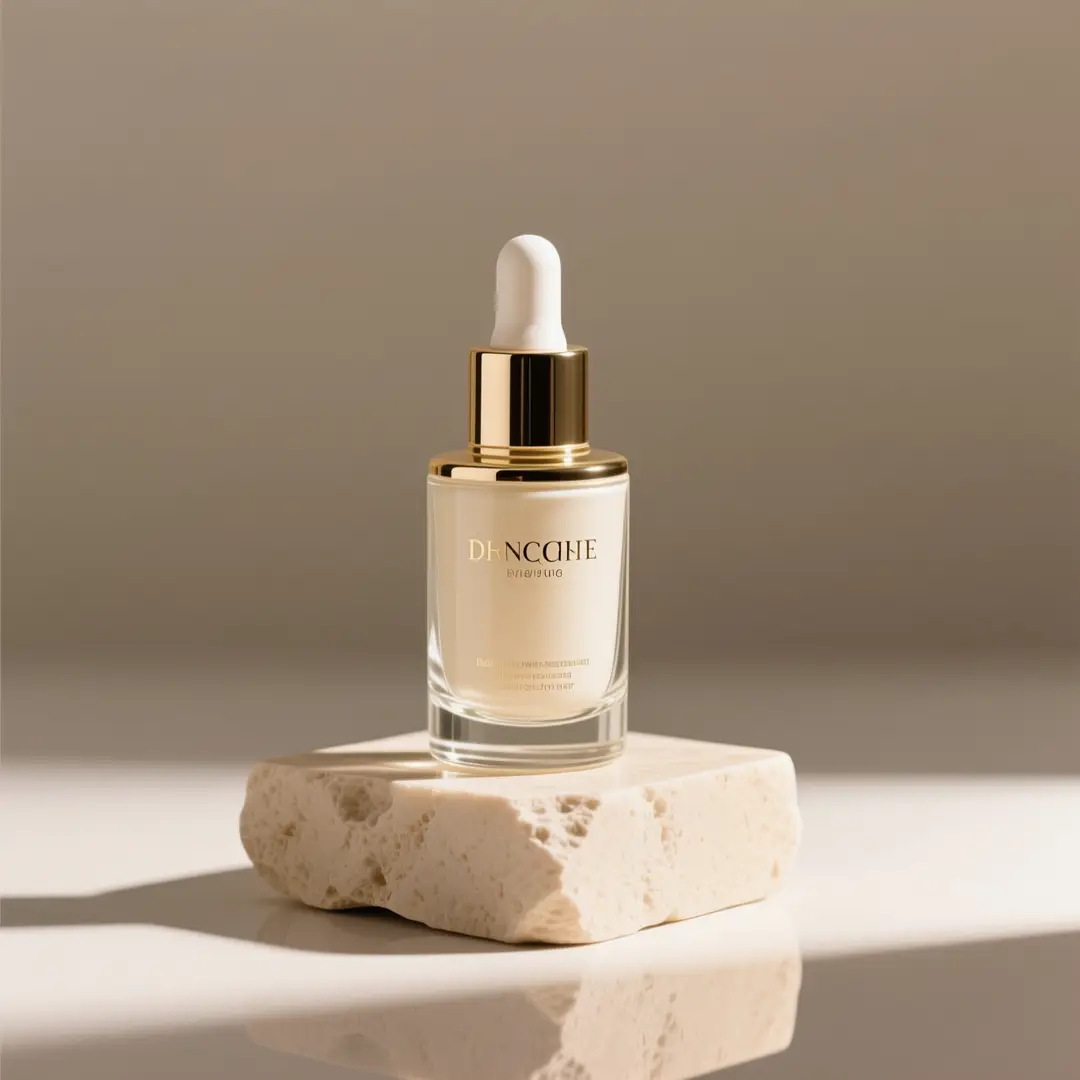
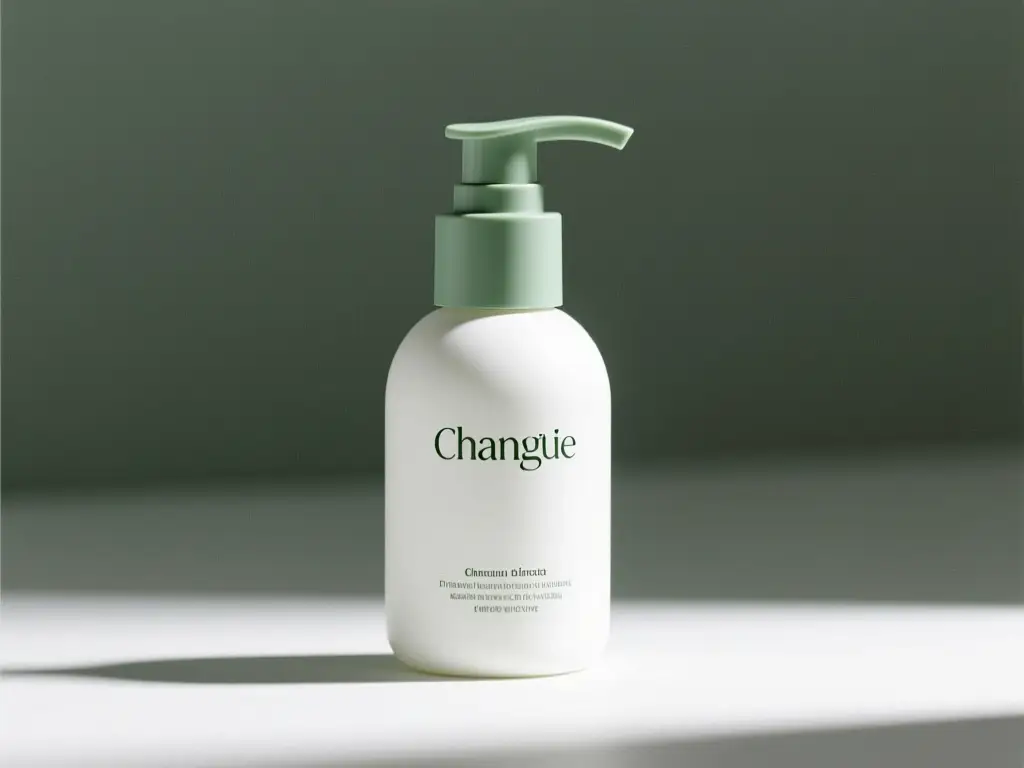
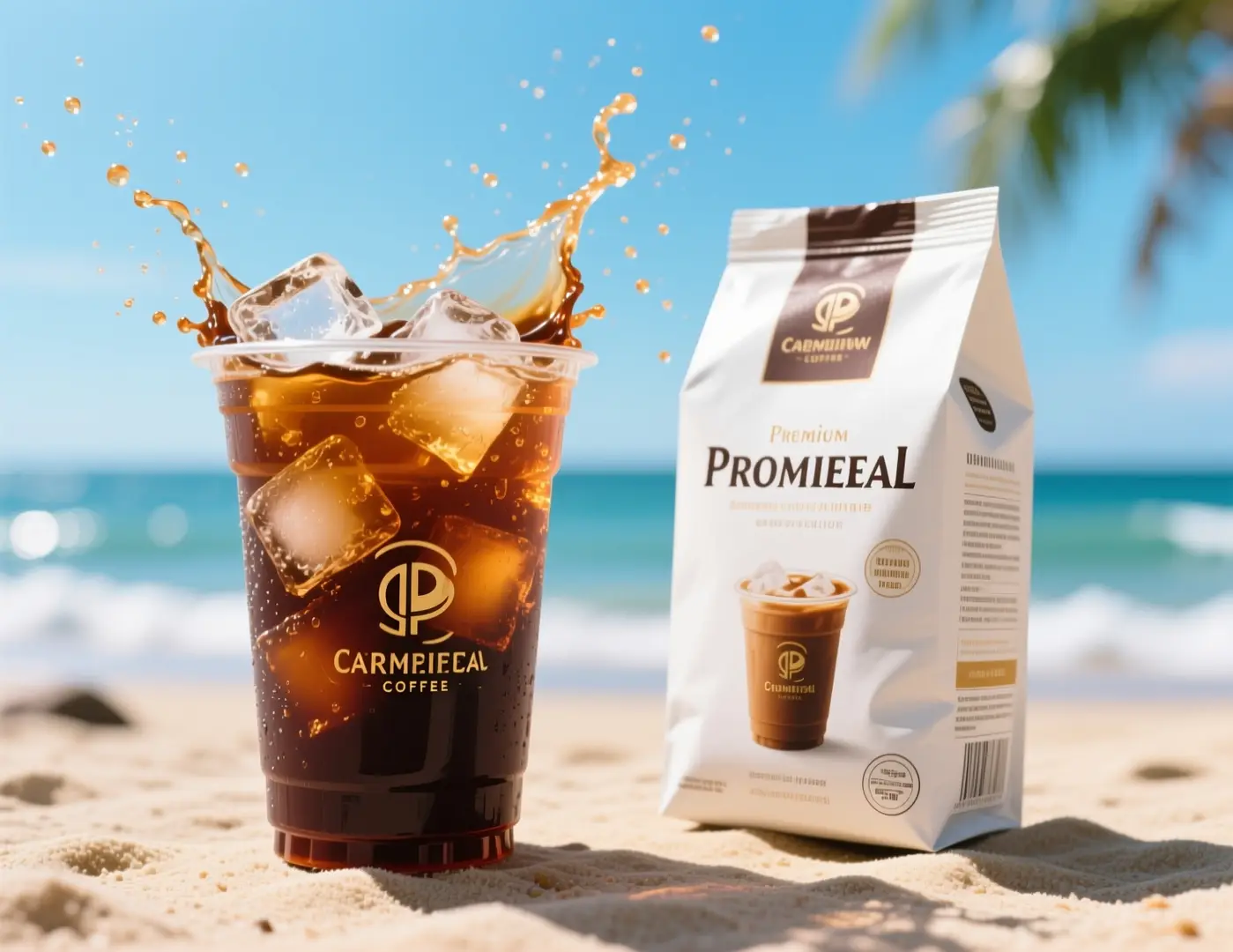
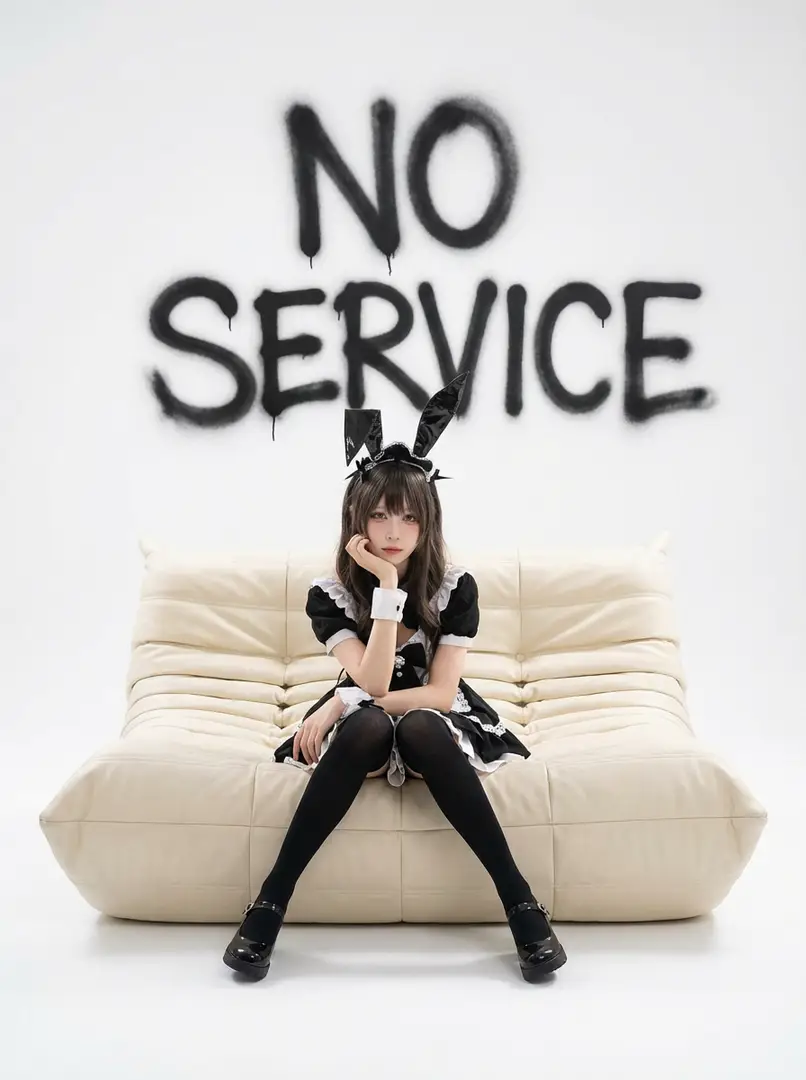
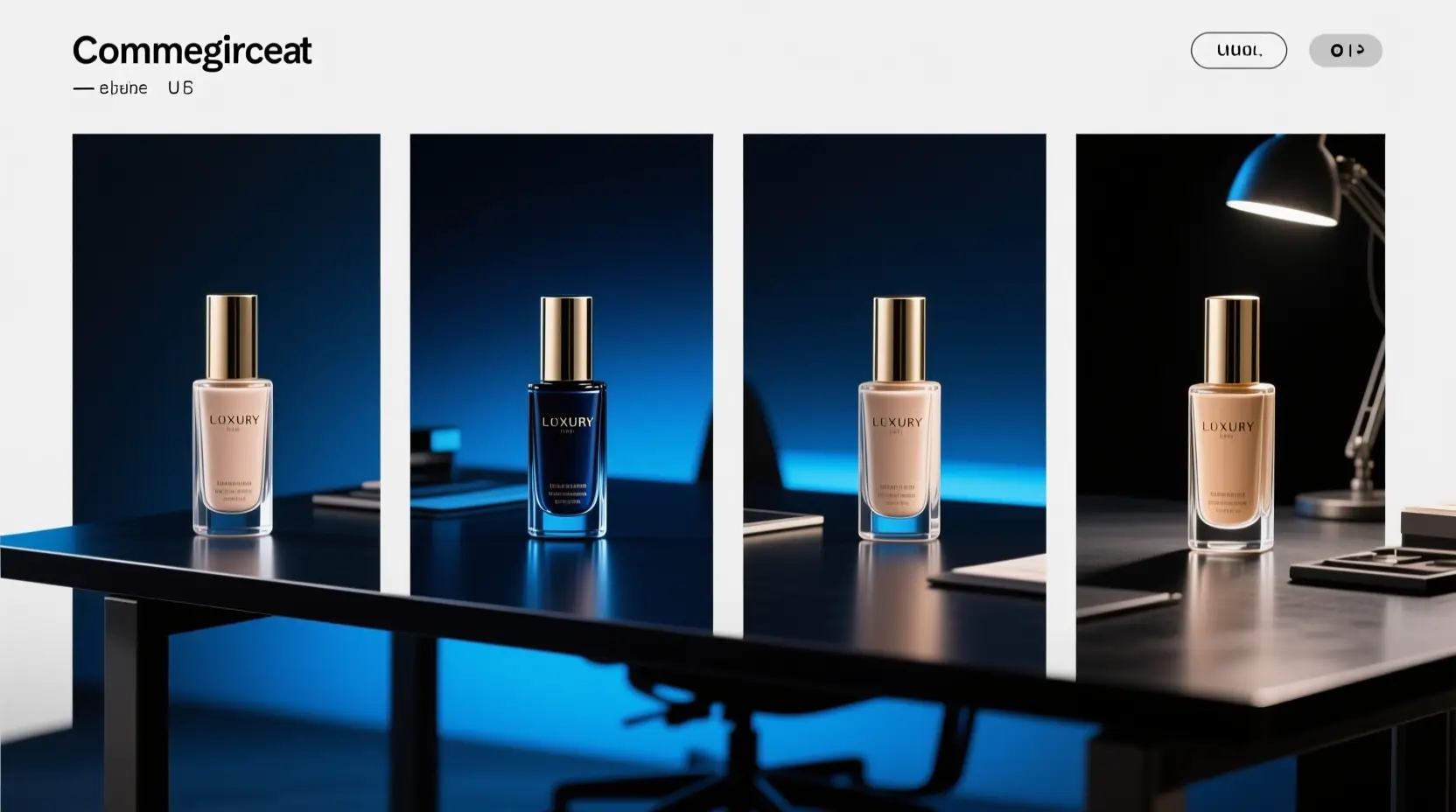
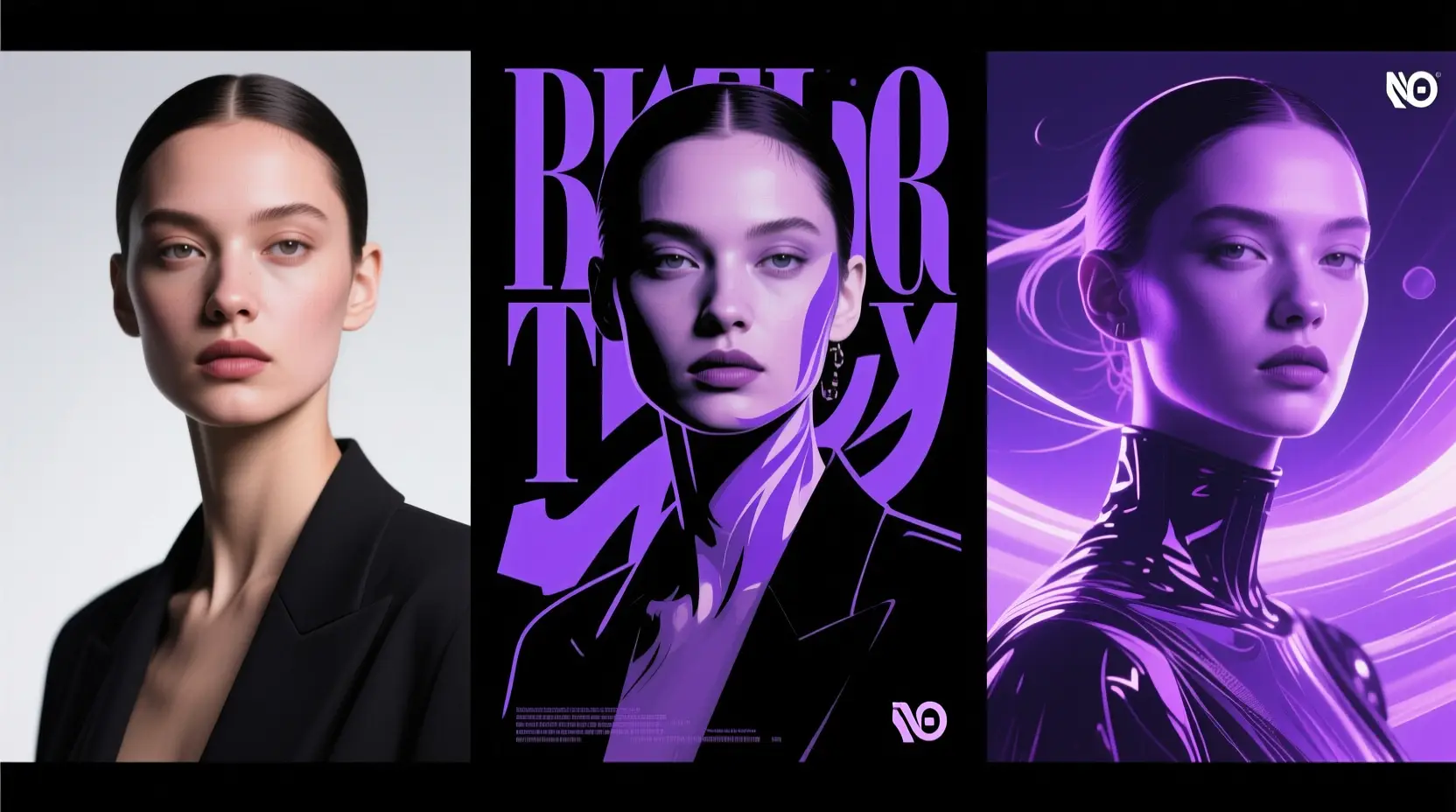
Z-Image shines for prompt-guided image creation, poster concept development, product-focused visuals, and workflows that can later be moved to ComfyUI, local inference tools, or other self-hosted setups.
Does Z-Image support image-to-image here?
Absolutely. Within this tool, Z-Image supports both text-to-image and single-reference image-to-image workflows. Upload one reference image to lock in key composition, product silhouette, or overall visual mood for your generated content.
Which aspect ratios does Z-Image support here?
Z-Image offers full support for all popular aspect ratios right here, including 1:1, 4:3, 3:4, 16:9, and 9:16. These cover everything from standard square formats to portrait, landscape, and social media-optimized creative sizes.
How do I write better prompts for Z-Image?
Start by outlining your central subject, then add specifics on style, camera angle, lighting, materials, and any required text to include in your final image. Z-Image delivers its strongest results when you clearly separate non-negotiable elements from flexible variables, especially for poster design, product photography, and single-reference refinement work.
When should I use Z-Image instead of GPT-4o or Seedream 4?
Choose Z-Image if you want an open-source model you can use outside this hosted platform, especially if precise prompt control and self-hosting options are top priorities. Go with GPT-4o or Seedream 4 if you primarily want their curated built-in styles and streamlined hosted generation processes.
What is the difference between Z-Image and Z-Image-Turbo?
Z-Image is the core 6B foundation model for its product line. Z-Image-Turbo is a condensed, distilled version of the base model, optimized for faster, more lightweight inference. That’s why the Turbo variant is so widely discussed in community workflows and local deployment configurations.
Can I use Z-Image images commercially?
The official upstream Z-Image model weights are licensed under Apache-2.0, but commercial use of any generated assets depends on your specific use case, content guidelines, and the terms of service for this platform. For professional production work, always adhere to standard legal and brand approval rules instead of assuming model outputs are automatically approved for commercial use.
Is Z-Image open-source and can it be self-hosted?
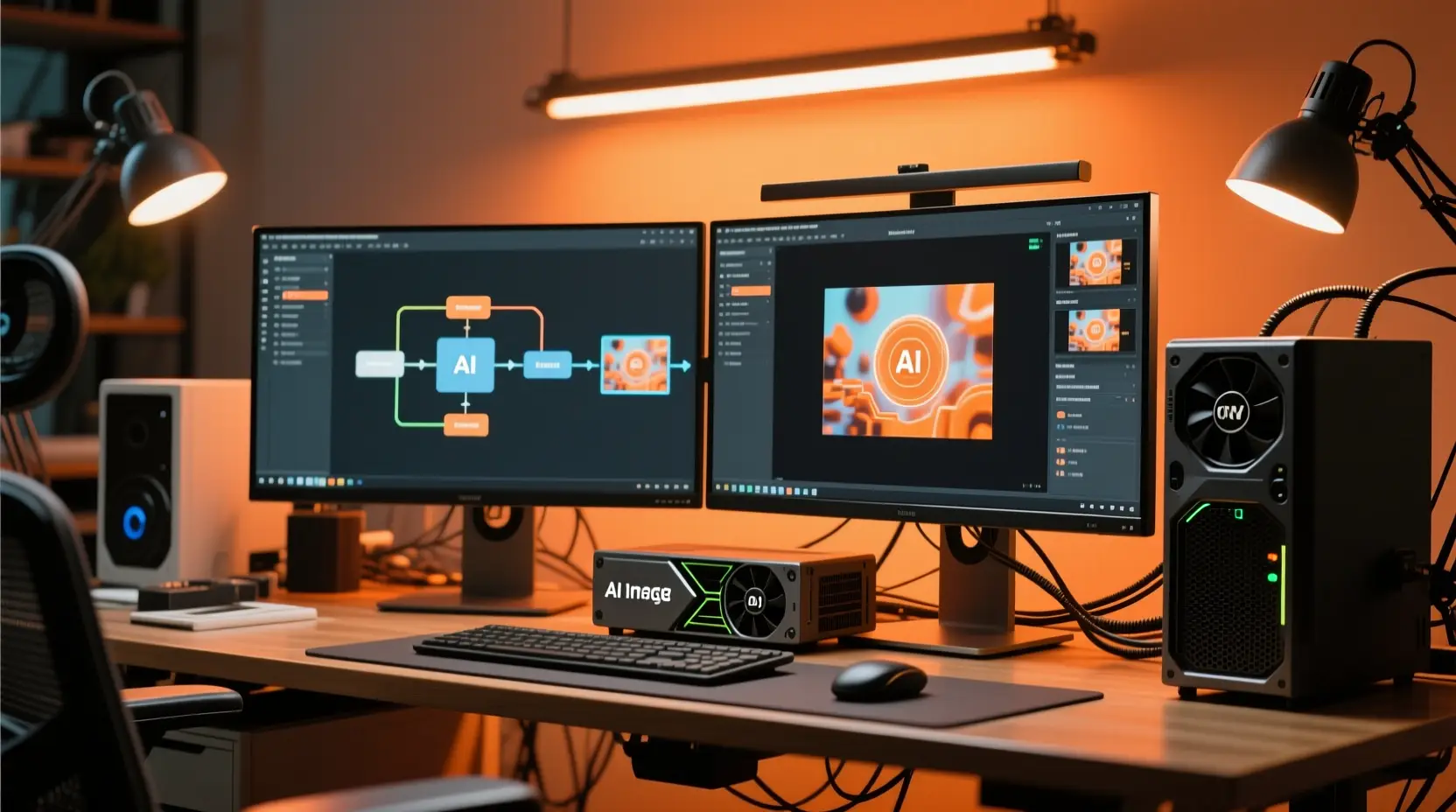
Absolutely. Tongyi-MAI released the official upstream Z-Image build, and the model works natively with diffusers-based pipelines, local inference tools, ComfyUI utility apps, and community workflow packs. This makes researching, deploying, and modifying the model far easier than closed, hosted-only AI image generators.